
Why is the demarcation of indigenous peoples’ territories in Brazil important to achieve European and global climate goals?

Cecília Bojarski Pires  (PhD Candidate at the School of Law of the University of Minho) 
           

Indigenous and tribal peoples’[1] ancestral territories are essential for climate stability and resilience.[2] “Their territories contain about one-third of all the carbon stored in Latin America and the Caribbean forests and 14 percent of the carbon stored in tropical forests worldwide”.[3] It is indisputable that the role played by indigenous peoples is vital in terms of global climate action, but that is not all. This article aims to demonstrate the importance of preserving indigenous peoples’ lands to achieve European and global climate goals, protect the forests and other ecosystems, conserve biodiversity, and prevent climate change. Furthermore, it is a matter of respect for human rights, a European value.

According to Villares,[4] indigenous peoples are united to the land and all its elements. Moreover, the land is not just a tangible material element but a subjective element that takes on a transcendental character. Thus, the territory is occupied and developed by everyone in that community. For that reason, indigenous peoples’ production system is, in general, much less predatory. The consequence of this special way of dealing with the land means that indigenous peoples can use natural resources without putting ecosystems at risk. It makes them indispensable for guaranteeing environmental conservation and contributing to the fight against poverty, hunger, and malnutrition.[5]

Continue reading “Why is the demarcation of indigenous peoples’ territories in Brazil important to achieve European and global climate goals?”
Do spinach and smart cities benefit your health?

By Cecília Pires (PhD Candidate at the School of Law of the University of Minho)

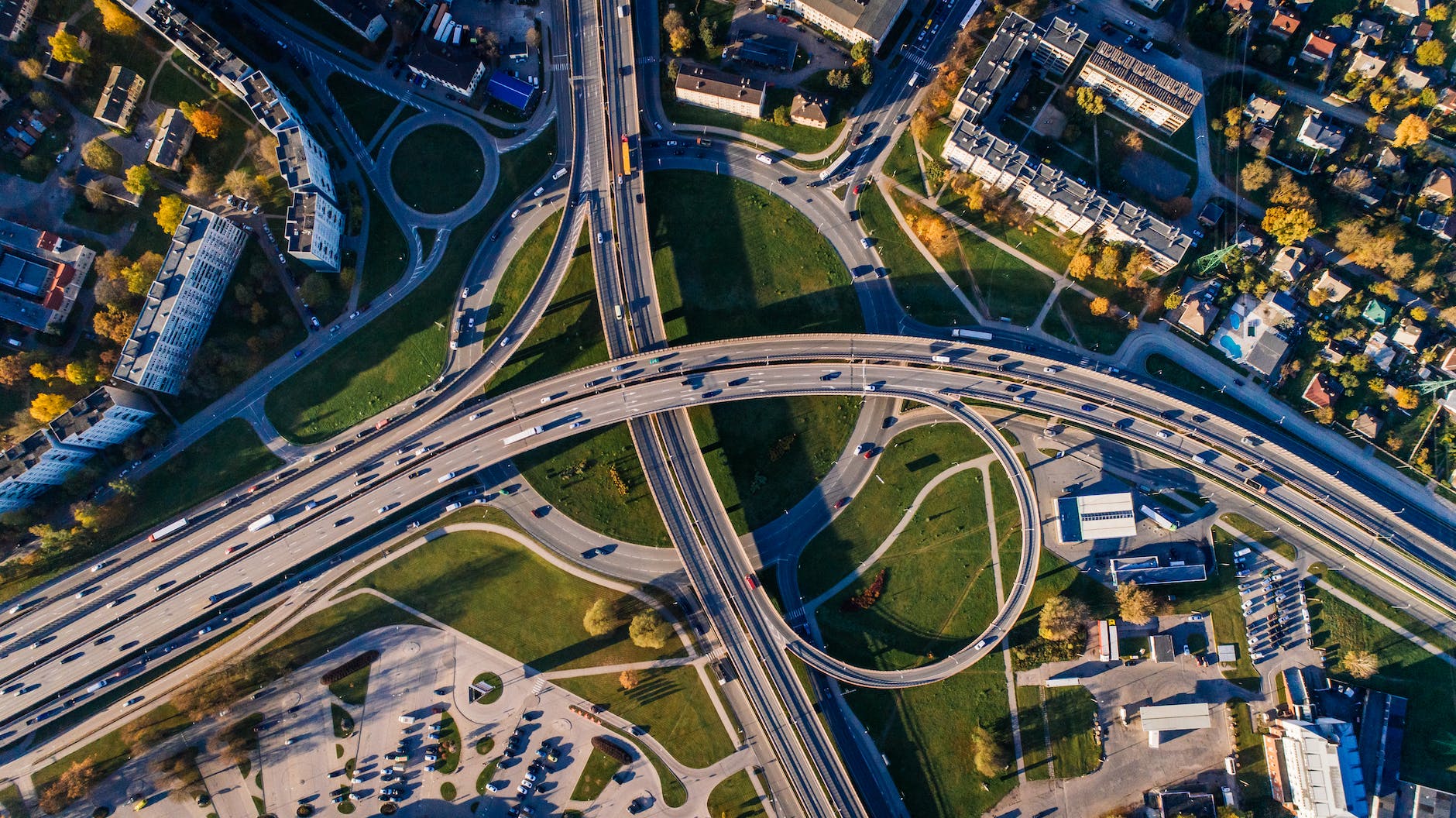
The pure and simple acquisition of technologies to make the city smarter is a bit like the analogy employed by Arnstein[1] and resembles eating spinach – at first nobody is against it because, after all, it is only beneficial to one’s health. So how can these positive effects be denied? Indeed, it is not simply because a solution proposes to be smart that it will in fact be so for everyone. Hence, what is the real goal of a smart city?

Smart cities emerge as a new urban planning paradigm that seeks to incorporate information and communication technologies (ICTs) to address urban issues in an innovative, sustainable, and resilient way to promote the quality of life for all citizens.

Cities have been given a central a role due to the need for effective responses to urban problems, mainly the high levels of energy consumption and CO2 production. Yet, there is no single definition for a smart city: it is a polysemic concept that can be understood from different perspectives, according to different areas of knowledge. Therefore, the understanding of what smart cities entail is gradually being built.

The Leipzig Charter on Sustainable European Cities (2007),[2] the United Nations 2030 Agenda for Sustainable Development (2015),[3] the United Nations New Urban Agenda (2017),[4] the Urban Agenda for the European Union (2019/2021),[5] and the New Leipzig Charter (2020),[6] and other commitments and pacts are strategic references. Those instruments function as normative guidelines for urban planning, urban public policies, and actions by the EU Member States.

Continue reading “Do spinach and smart cities benefit your health?”