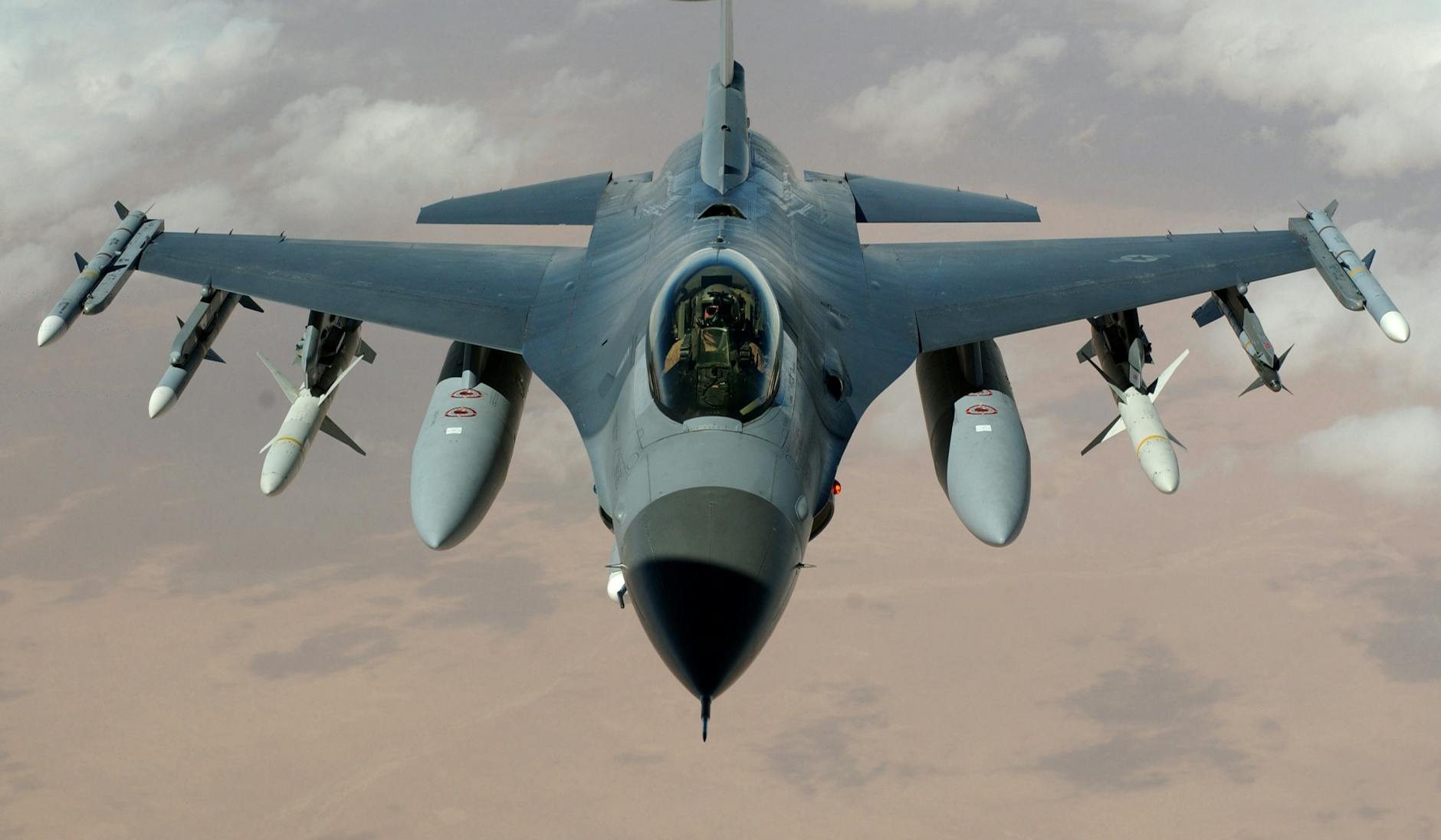
European security and defence: the role of the European Peace Facility in building a “strategic autonomy”

Bruna Barbosa (Master in European Union Law by UMinho) 
           

The outbreak of new conflicts in the vicinity of Europe highlighted its dependence on the United States (US) in terms of security and defence. However, the redefinition of the US geopolitical strategy has resulted in a gradual reduction of its investments in Europe. This is driven by a shift in US geostrategic priorities to regions far from Europe, such as the Indo-Pacific, due to the emergence of new powers, including China.

This circumstance demands a more active approach from the European Union (EU) in matters related to European security and defence. European thinking has undergone significant changes, notably by recognising the importance of investing in its strategic autonomy .[1], [2]

It is therefore essential to understand how the EU can position itself as a prominent “actor” in security and defence issues on an international scale. And also how the European Peace Facility (hereinafter EPF) effectively contributes to increasing the EU’s strategic autonomy.

In this context, the 2022 Strategic Compass – a document that outlines the EU’s strategic direction over the next decade – stands out to reinforce European security and defence ,[3] seeking to balance its power of influence (soft power) with its military capacity (hard power), in an environment of cooperation between all Member States, allowing for a reinforcement of the Union’s internal stability, in particular, vis-à-vis its neighbouring States.[4]

Continue reading “European security and defence: the role of the European Peace Facility in building a “strategic autonomy””

Notes on European defense and the signs of a new world and European order

By Pedro Pereira (Master's Student in EU Law at the University of Minho)

1. Introduction

Defense policies in the European Union (EU) and how they should be conducted are an old topic. In any case, it is defensible that i) the fact that European defense was provided by the United States of America (USA) during the historical period of the Cold War, as well as ii) the circumstance that in more recent times, European defense was materialized and operationalized through the North Atlantic Treaty Organization (NATO) decisively contributed to the deepening of the rights of the European citizen and to the intervention of EU Member States in the development of sociality – something that shaped the way European integration was being built around the Rule of Law and the Welfare State.

The hypothesis of a progressive gap in transatlantic relations (EU and US) – or, at least, the revival of this debate – returns whenever an external threat to European security arises. But world geopolitics may actually be at a turning point, motivated mainly by the return of war, due to the Russian Federation’s invasion of Ukraine– which requires a reassessment of European strategies in terms of foreign policy, security and defense. Recent events, in a way, contradict the thesis of an inevitable European dependence on the US, as well as urge a restructuring of the EU’s defense – which, despite still depending on NATO, aims to be more robust and autonomous. To this extent, the change in the way the EU presents itself on the international scene may be imminent.

Continue reading “Notes on European defense and the signs of a new world and European order”

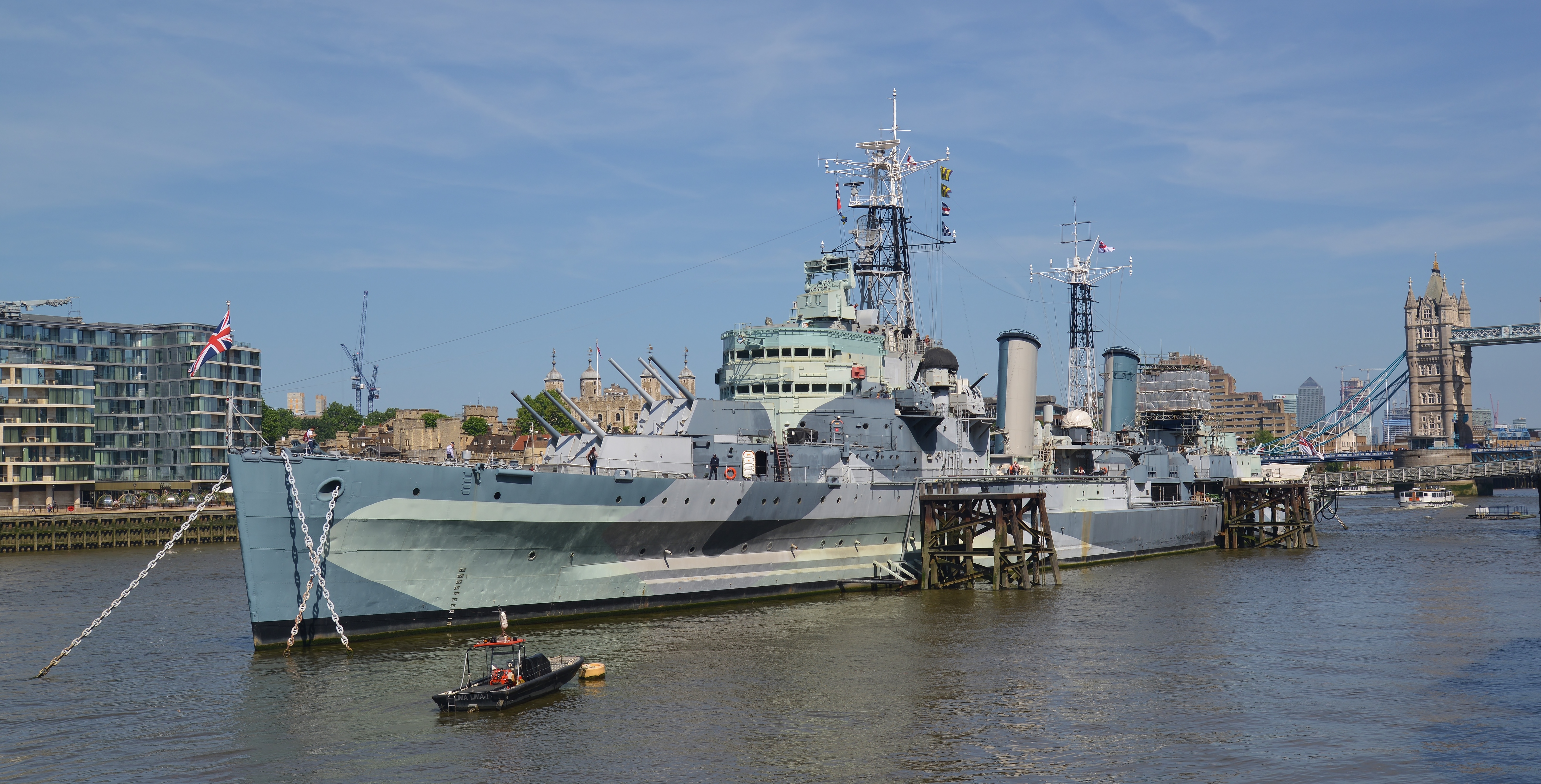
The impact of Brexit on the Common Security and Defence Policy of the European Union

40869096740_d651f7db4f_o

by Ana Torres Rego, Master's degree in EU Law of UMinho

The winning of the campaign “Vote Leave”, in the referendum of 23 June 2016 held with the view to expiry the United Kingdom’s accession Treaty, turned out to be one of the biggest challenges facing the modern history of the European Union.

For its turn, if on the occasion when Article 50 of the Treaty on European Union was invoked in 2016 the earlier speeches of the Britain Prime Minister Theresa May can be summarised as “Brexit means Brexit” – as an answer against free movement of people; in the recent past, the increased awareness of the high cost for all parties involved of a hard Brexit has opened space for dialogue and negotiation.

The change of direction noted from October 2016 to March 2017 is very clear in the formal communication[i] notifying the United Kingdom’s intention to leave the European Union sent by Mrs. May to the European Council. That letter, where concerns related with the state of defence of the EU from security threats are strongly expressed, suggests first and foremost the British willingness to keep a special relation with the European Union in defence and security matters in order to ensure the status of security power for both among the potencies in the international order.
Continue reading “The impact of Brexit on the Common Security and Defence Policy of the European Union”