Editorial of October 2023

By the Editorial Team 

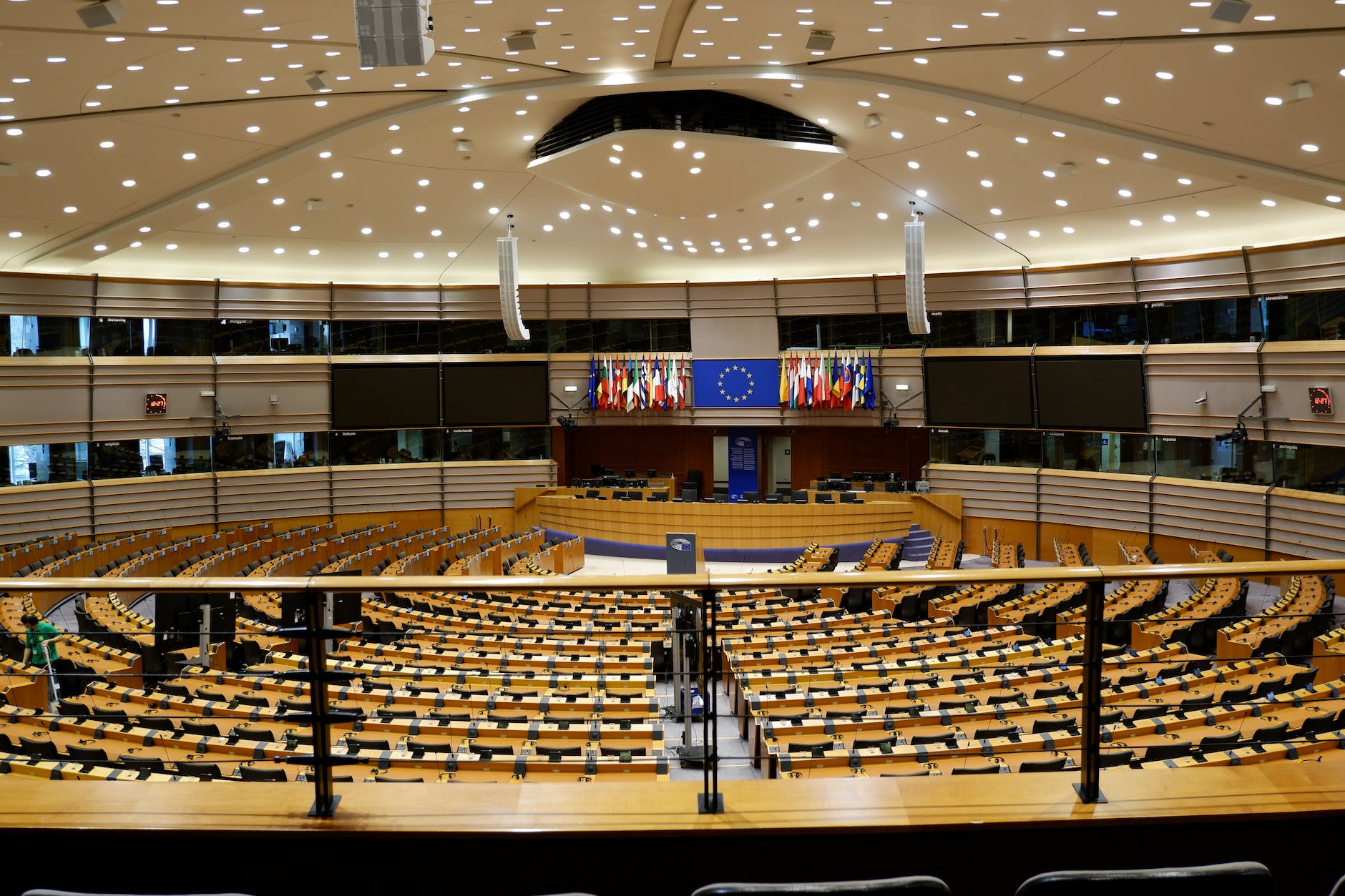
“Answering the call of history” – on the 2023 “State of the Union” speech (SOTEU) by President Ursula von der Leyen

On 13 September 2023, the President of the European Commission, Ursula von der Leyen, gave a speech summing up her term in office – perhaps even anticipating re-election. To this end, she presented results, arguing that her Commission had managed to implement more than 90 per cent of the political guidelines it presented in 2019.

The motto of the “State of the Union” (SOTEU) 2023 speech was “Answering the call of history”. In what sense? In the sense that history is happening while Russia is waging a full-scale war against the founding principles of the United Nations (UN) Charter. The President of the Commission tried to explain to what extent the European Union (EU) is up to this challenge. But Ursula von de Leyen also demonstrated the extent to which history demands the deepening of the integration process, its “becoming”.

Continue reading “Editorial of October 2023”
The EU and geopolitical Europe: from Belarus to Nagorno-Karabakh

by Sandra Fernandes (Professor at UMinho/Researcher of the CICP)

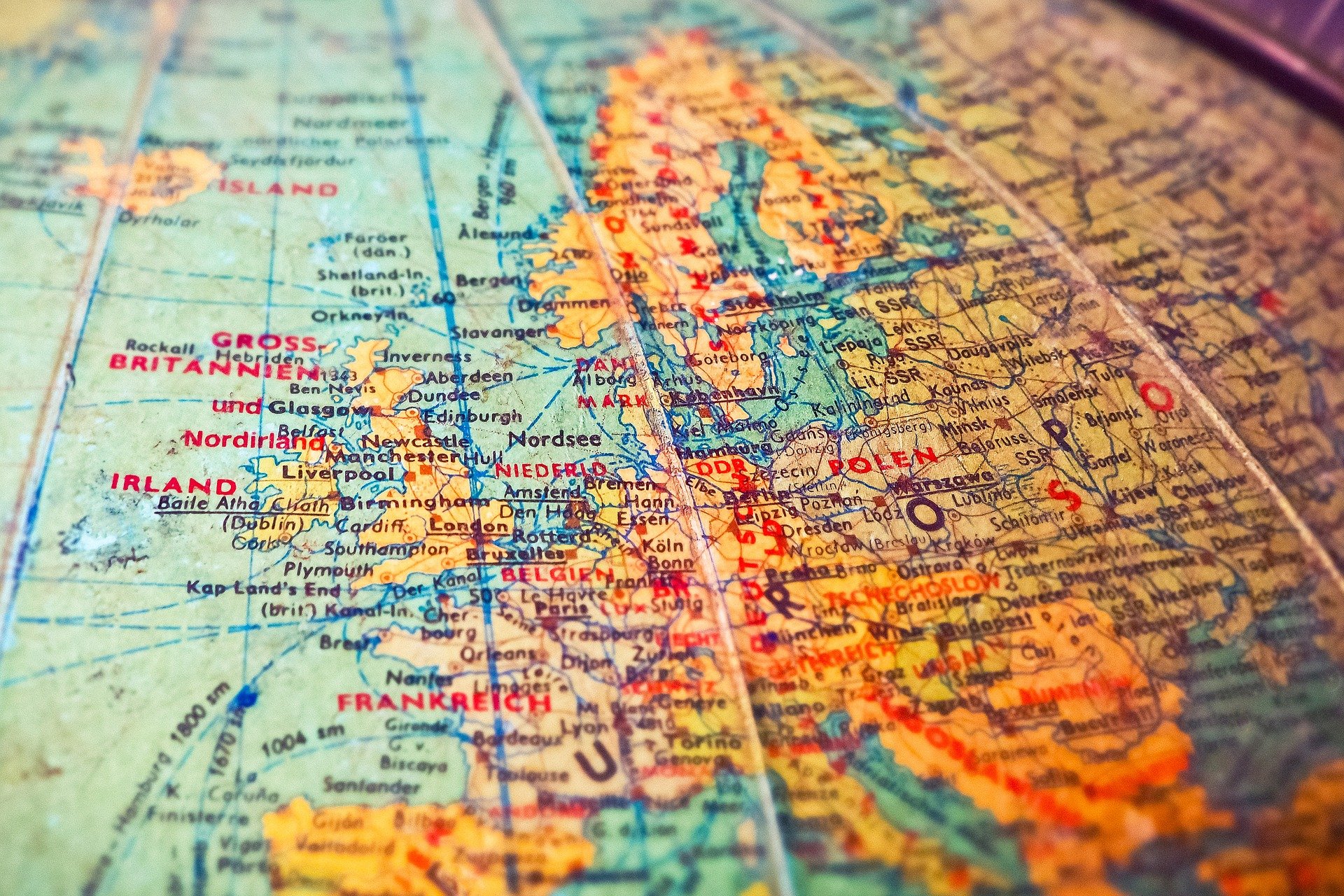
Two years ago, I commented on the gloomy prospects for the engagement of the European Union (EU) in its Eastern (and Southern) neighbourhood. Looking East, the challenges for the EU were “closely related to the degradation of the relations with Russia and to the unsatisfying deliveries of the European Neighbourhood Policy in the partner countries (Armenia, Azerbaijan, Belarus, Georgia, Moldova and Ukraine)”. Current developments in most of these countries take this observation to a higher level of seriousness. From the societal upheaval in Belarus to the existence of overt violent conflict in Eastern Ukraine and the enclave of Nagorno-Karabakh, the EU sees unrest in all its Eastern vicinity. In parallel, relations with Moscow have not happening in any way that could be considered positive dialogue.

In this context, and considering the democratic revindications of the Belarus people, much is awaited from a big neighbour that defends liberal values and the respect for the United Nations Charter. Brussels is expected to act in order to support the will of an oppressed population, mostly as the use of violence by the Lukashenko regime against its own population has been internationally condemned. So far, the Union has adopted sanctions against individuals directly involved in repression and intimidation and built plans for economic support for a democratic Belarus. The most visible stance consists in the non-recognition of the presidential election results of August 9.

Continue reading “The EU and geopolitical Europe: from Belarus to Nagorno-Karabakh”