
by Patrícia Jerónimo, JusGov, University of Minho
▪
There is still much that we do not know about COVID-19, but by now it has become very clear that, far from being ‘the great equalizer,’ the disease is disproportionately impacting the poor and the most vulnerable (including racial and ethnic minorities), fuelling nationalist and xenophobic sentiments,[i] and prompting a resurgence of borders and mobility restrictions all over the globe. The siege mentality that has been brewing under the threats of mass migration and terrorism is now at peak intensity, as States barricade themselves, adopt increasingly protectionist measures and compete against each other for medical supplies and personnel.[ii]
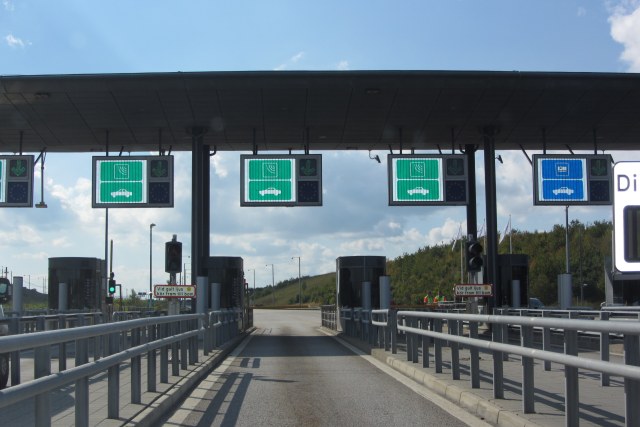
In Europe, the first national responses to the outbreak were unilateral and selfish, which should come as no surprise to anyone familiar with the European integration process, but is nevertheless disheartening. In early March, when Italy became the epicentre of the outbreak and the WHO acknowledged that we were facing a pandemic, Austria and other Schengen States rushed to reintroduce border controls at their land and air borders, in rapid succession.[iii] Flights to and from Italy were blocked by several EU Member States.[iv] EU citizens were denied admission in Italy, Hungary, Croatia and the Czech Republic, to name a few.[v] The Hungarian government banned the entry of all non-Hungarian citizens, with minor exceptions, and suspended submission of asylum claims.[vi] Cyprus even barred entry to its own nationals returning from hotspots abroad.[vii] Boats of migrants intercepted in the Mediterranean were hastily returned to Libya.[viii] The list could go on.
Continue reading “COVID-19 – Nationalism and its toll on citizenship and mobility rights in the European Union”
 Official Blog of UNIO