The EU-Mercosur Free Trade Agreement – A “race to the bottom” when it comes to EU’s climate goals?

Ana Cardoso (PhD candidate & Master's in European Union Law at the School of Law of University of Minho)

I.

The European Union (EU) is one of the most active actors in the field of environmental protection worldwide.[1] However, today some of the EU’s most important partners – namely the United States of America (USA) – have adopted highly protectionist positions[2] which aim to push forth economic growth without any consideration for its environmental consequences or international commitments.[3]

The issue has been so controversial, that Bloomberg Philanthropies has announced it will step in to cover the USA’s contribution to the United Nations Framework Convention on Climate Change (UNFCCC), given that the country had been responsible for funding around 21% of the organisation’s budget, and its withdrawal would mean a severe disruption to environmental protection actions all around the planet.[4]

Additionally, Russia’s acts of continued aggression against Ukraine have emphasised the EU’s energetic dependency on unreliable partners making the need to boost the EU’s own energy autonomy more apparent, which the Commission proposes to do through renewables, energy efficiency and other European Green Deal (EGD) policies.[5]

Continue reading “The EU-Mercosur Free Trade Agreement – A “race to the bottom” when it comes to EU’s climate goals?”
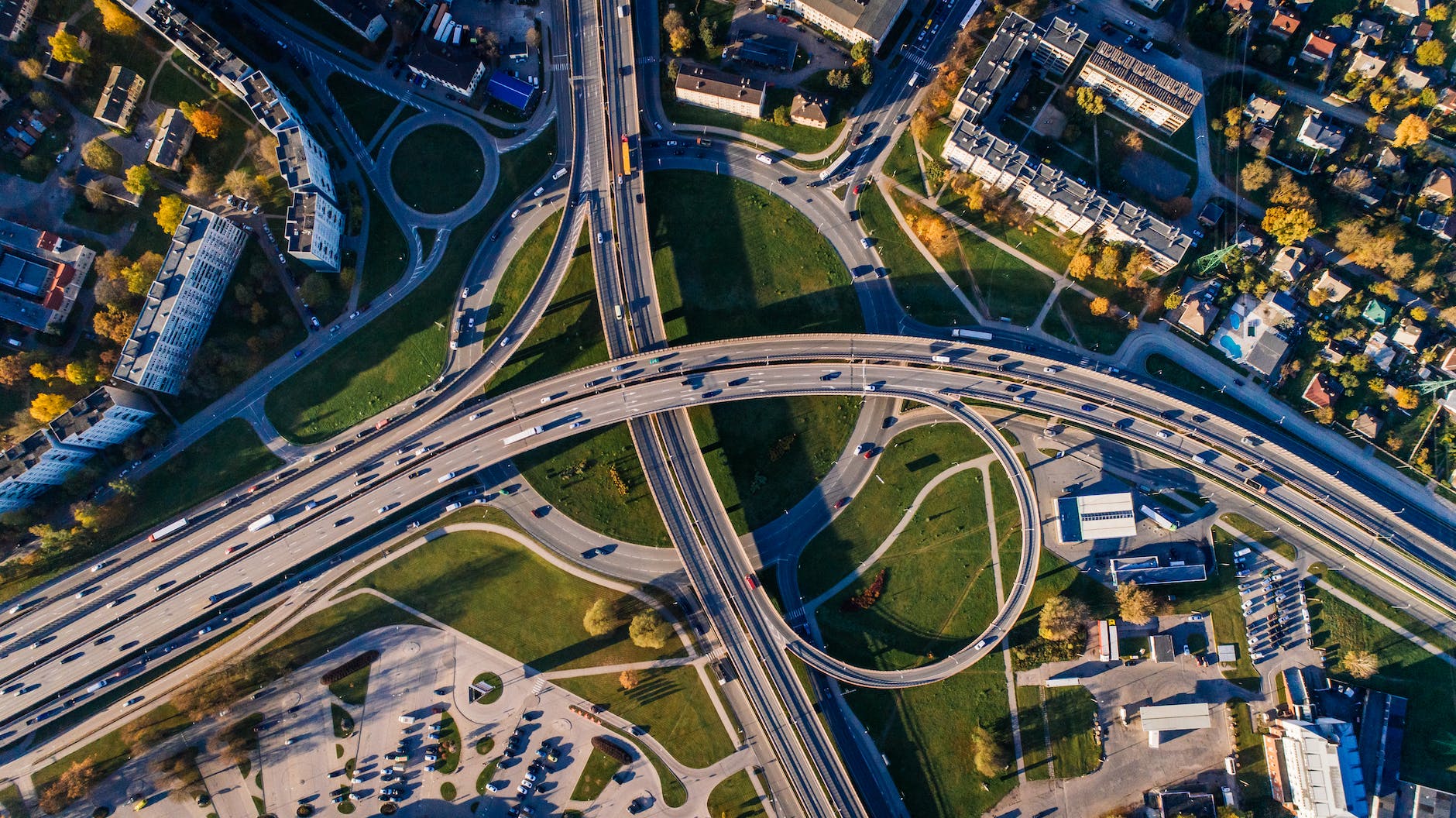
Do spinach and smart cities benefit your health?

By Cecília Pires (PhD Candidate at the School of Law of the University of Minho)

The pure and simple acquisition of technologies to make the city smarter is a bit like the analogy employed by Arnstein[1] and resembles eating spinach – at first nobody is against it because, after all, it is only beneficial to one’s health. So how can these positive effects be denied? Indeed, it is not simply because a solution proposes to be smart that it will in fact be so for everyone. Hence, what is the real goal of a smart city?

Smart cities emerge as a new urban planning paradigm that seeks to incorporate information and communication technologies (ICTs) to address urban issues in an innovative, sustainable, and resilient way to promote the quality of life for all citizens.

Cities have been given a central a role due to the need for effective responses to urban problems, mainly the high levels of energy consumption and CO2 production. Yet, there is no single definition for a smart city: it is a polysemic concept that can be understood from different perspectives, according to different areas of knowledge. Therefore, the understanding of what smart cities entail is gradually being built.

The Leipzig Charter on Sustainable European Cities (2007),[2] the United Nations 2030 Agenda for Sustainable Development (2015),[3] the United Nations New Urban Agenda (2017),[4] the Urban Agenda for the European Union (2019/2021),[5] and the New Leipzig Charter (2020),[6] and other commitments and pacts are strategic references. Those instruments function as normative guidelines for urban planning, urban public policies, and actions by the EU Member States.

Continue reading “Do spinach and smart cities benefit your health?”