
José Manuel Fernandes (Member of the European Parliament and Chairman of the European Parliament Delegation for relations with the Federative Republic of Brazil)
▪
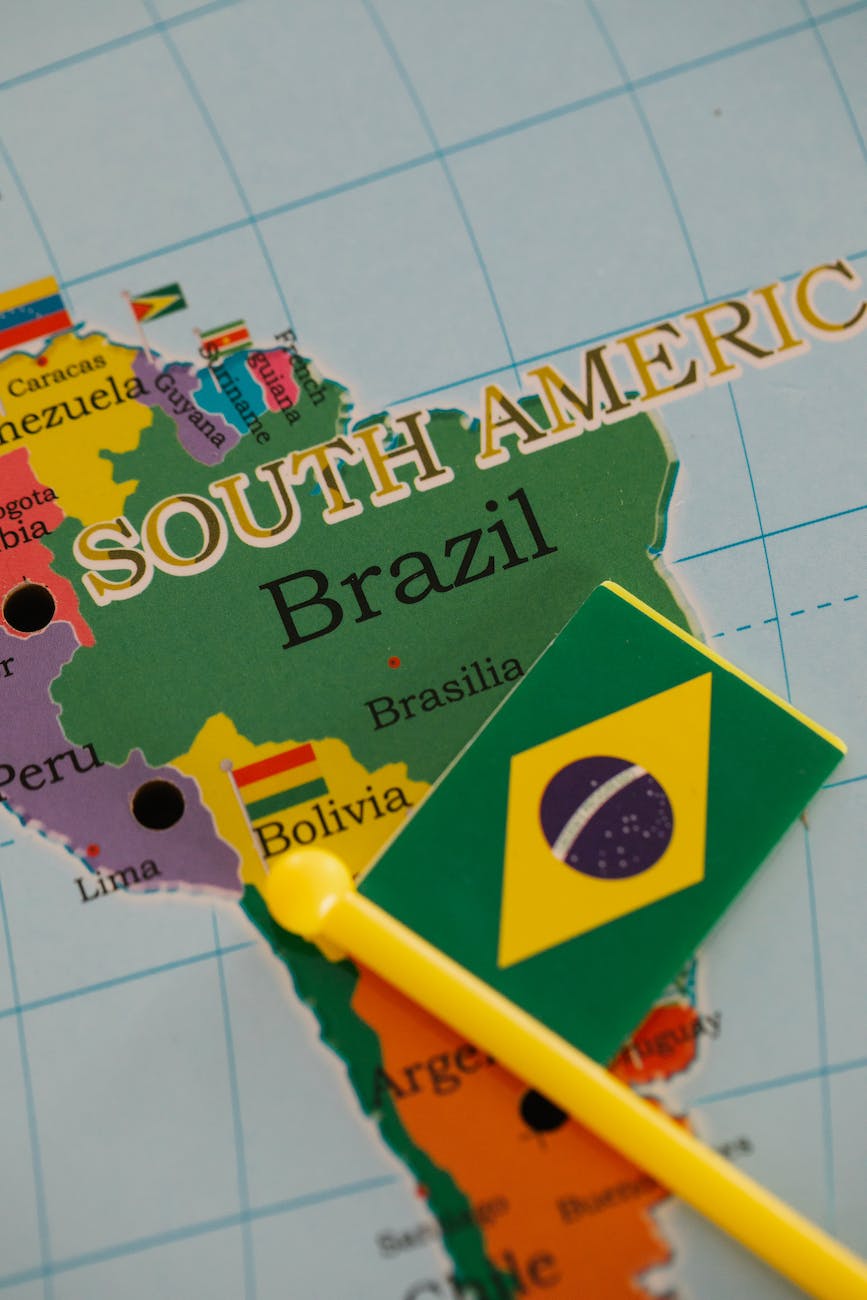
Lula da Silva’s victory in Brazil’s 2022 presidential elections is an opportunity for the strengthening of relations between the European Union and Latin America’s largest country. Taking advantage of the new Brazilian government taking office on January 1, 2023, as well as the unfortunate events of January 8, when protesters invaded Brazilian institutions. In this text, I propose to address what I hope and wish for the bilateral relations between the EU and Brazil in the coming years. For my part, and as Chairman of the European Parliament Delegation for relations with the Federative Republic of Brazil, I take what I write not only as analysis, but also as political commitment.
The size and importance of Brazil continues to elude most Europeans, even the main political leaders. We perpetuate a distant and incomplete vision of what Brazil actually is: a country that represents half of Latin America, both geographically and demographically; the 10th economy in the world; one of the five largest agricultural producers in the world. It is time to recognize Brazil as a global giant, and to treat it as such.
The key word must be “cooperation”. Without paternalism, by mutually recognizing potentialities and weaknesses. Cooperation must have as common ground the values of freedom, democracy, the rule of law, and the uncompromising defence of human dignity and human rights. Environmental sustainability and inclusion are also essential elements for the economic development we must conquer.
Continue reading “Lula’s presidency: what to expect from the European Union – Brazil relationship”
 Official Blog of UNIO