
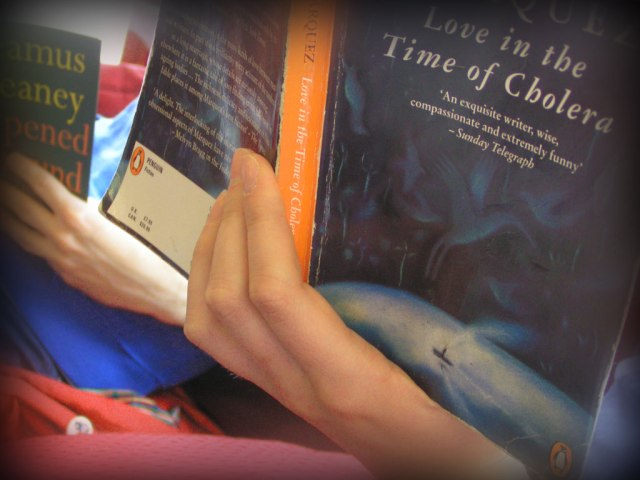
by Helena Ferraz, Master's student in Human Rights, UMinho
▪
“The Captain looked at Fermina Daza and saw on her eyelashes the first glimmer of wintry frost. Then he looked at Florentino Ariza, his invincible power, his intrepid love, and he was overwhelmed by the belated suspicion that it is life, more than death, that has no limits.”
Gabriel García Márquez[i]
Humanity sails in rough seas. It is possible to see from a distance the yellow flags. “Plague’s on board!” – leaders from all around the world announce. The sign of death and illness, unlike what Florentino Ariza did, is not just an artifice to take pleasure of Fermina Daza’s love without any kind of discomfort. This year’s rough reality makes humanity mourn the loss of another two hundred thousand lives – and, unfortunately, it is still not possible to see the redeeming light at the dark sea-line of uncertainties.
The coronavirus, an invisible and common enemy, understands us as what we unquestionably are: human beings. We share the same vessel – the planet Earth – but it is possible to take notice that the trail of destruction does not hit everyone in the same way. In exceptional times like the ones we live in, we are indeed faced with indigestible underground realities, left in the zone of the unsaid, of what is normal, natural, as if they are given realities, whose symbolic representation is culturally reproduced.
In this article, we will focus our analysis on the impacts of the pandemic in relation to the gender inequalities, specifically in relation to the sexual division of labor, and its consequences in the personal, family and professional life of women, with reference to the European Union legal framework on gender equality.
Continue reading “Gender (in)equality in time of COVID-19”
 Official Blog of UNIO