Editorial of March 2022

By Pedro Madeira Froufe (Editor)

Europe and war

They do not know that dreams are a constant of life

As concrete and defined as any other thing (…)

They neither know nor dream that dreams command life![1]

(António Gedeão)

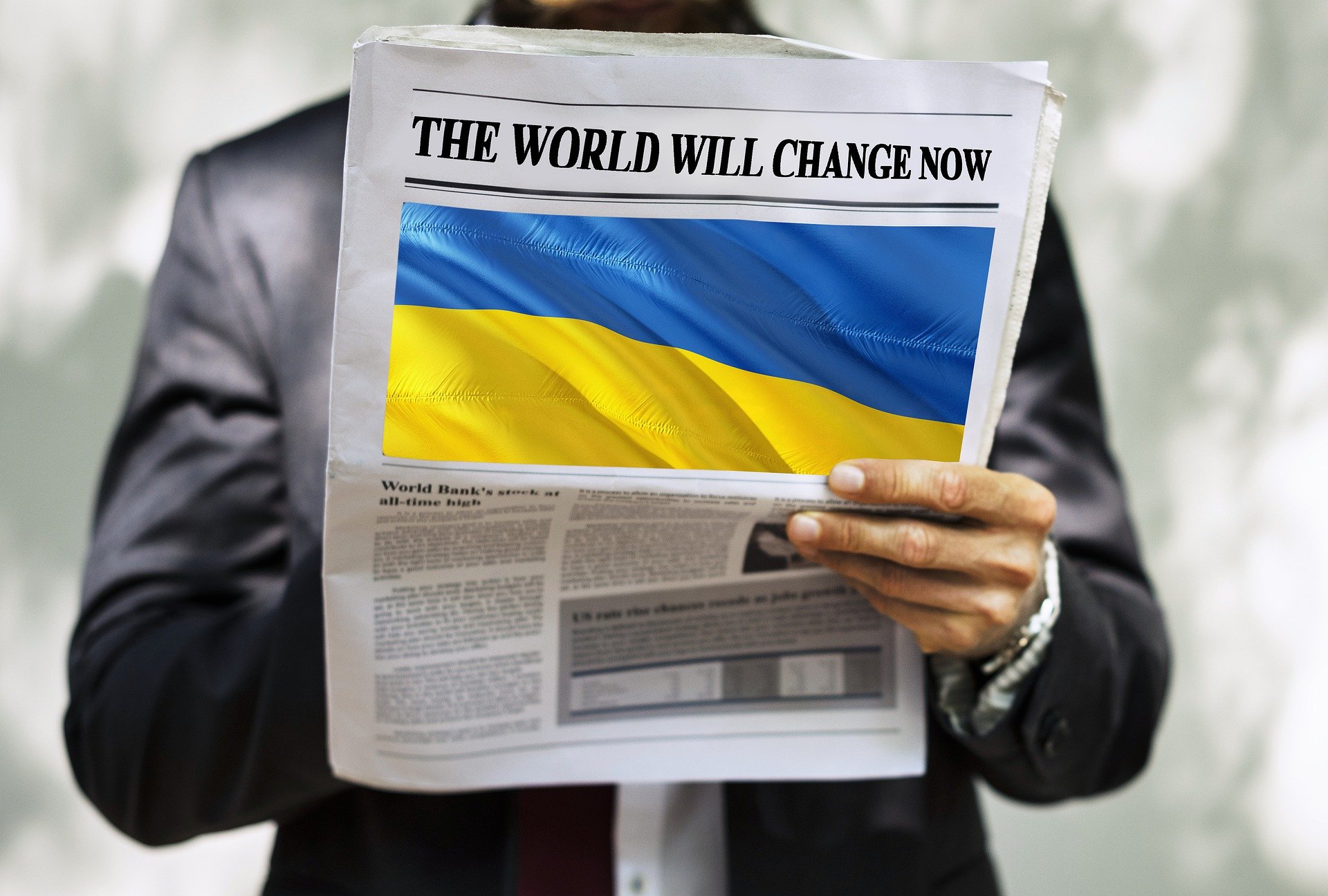
The history of European integration is made up of moments of war, manifestations of collective irrationality, and the permanent reaction to and overcoming of such instances. In fact, Europe itself, “the daughter of mythology and war”, was gradually built as a stage for violent and disastrous wars and, simultaneously, for virtuous and great conquests.[2]

The success of this 71-year-long integration can be illustrated by the fact that we are dramatically surprised by Russia’s war against Ukraine! European integration was born out of the debris of World War II, trying to permanently bury it. Its great merit was, after all, and as Jean Monnet said, to try to unite Men, more than to unite States.[3] Thus, we have been living in the illusion that the supreme inhumanity and irrationality of war would be definitively overcome. At least, on the European continent (not only in the European Union) and among sovereign states.

Continue reading “Editorial of March 2022”

Editorial of February 2022

By Sandra Fernandes (Professor at UMinho - School of Management and Economics /Researcher of the CICP)

Making the Europeans visible again: on the Ukrainian-Russian crisis

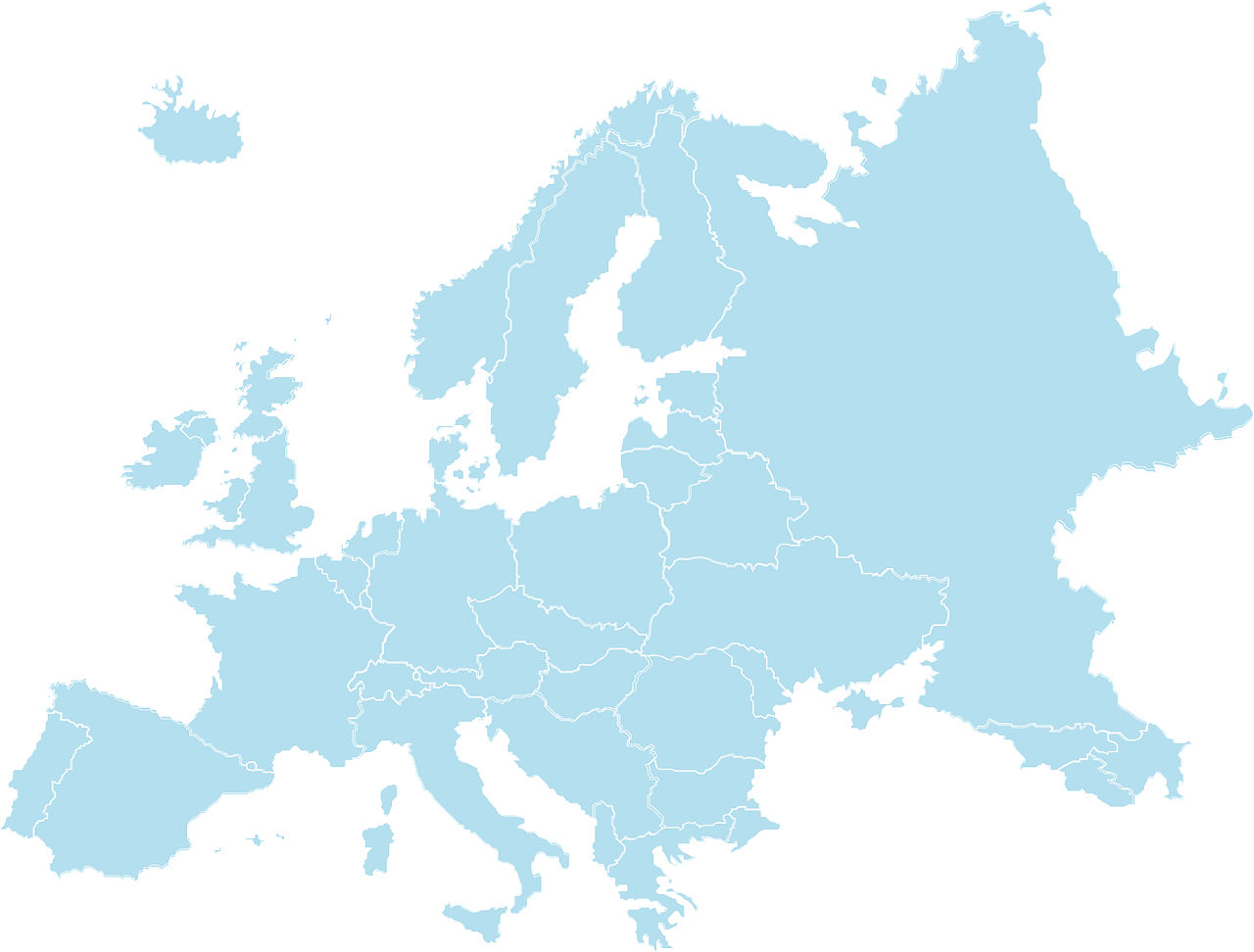
The world has its eyes turned to the uncertain faith of Ukraine, a country whose geopolitical situation has settled as an “in-between” State in post-soviet Europe. Since the annexation-reintegration of Crimea in 2014, and the war in Donbass and Luhansk, Kiev has de facto lost sovereignty over parts of its territory. The growing mobilization of Russian military resources at the Ukrainian border since 2021 has escalated the crisis, together with straightforward Russian demands on a new security pact for Europe with less NATO.

In this context, the media have been underlying that the European Union (EU) and the Ukrainians themselves are the noticeable absents from the tentative dialogues amid the diplomatic iron arm that is ongoing between Washington and Moscow. How to make sense of this apparent void? A few days ago, the words of the High Representative/Vice-President of the European Commission, Josep Borrell, helped us in addressing this question.

Continue reading “Editorial of February 2022”

Covid-19: a matter of security

by Rafaela Figueiredo Garcia Guimarães (Master’s student in Human Rights at University of Minho)

We must declare war on this virus”, asserted the Secretary-General of the United Nations (UN), António Guterres, when commenting on the global response to the Covid-19 pandemic, on March 13, 2020[1]. On April 23, 2020, the Director-General of the World Health Organization (WHO), declared that “the war against Covid-19 is far from won by the Planet[2]. By the same token, Bruce Aylward, Senior Advisor on Organizational Change to the WHO Director-General, also stated at a press conference on March 26, 2021, that “we are at war with the virus, not against each other, and the common goal is to end the coronavirus[3]. Josep Borrell, the High Representative on behalf of the European Union (EU), in his declaration on April 3, 2020, proclaimed that “this is a time when we should spend all of our energy and resources in the fight against this common global threat – the coronavirus[4]. Likewise, German Chancellor Angela Merkel, in her speech to the nation on March 18, 2020, acknowledged that “there has not been a challenge like this since World War II, which depends so much on a joint action of solidarity[5], and the French President, Emmanuel Macron, on March 16, 2020, openly declared that “we are at war and that the enemy, although invisible, is here[6]. “This is a war! It is really a war we are dealing with,” assures the Portuguese President, Marcelo Rebelo de Sousa, on March 18, 2020, in his message to the Portuguese people[7]. Last but not least, the President of the United States of America, Joe Biden, on January 21, 2021, stated publicly the endorsement of a “large-scale war effort to fight the pandemic[8].

Since WHO’s public announcement, on March 11, 2020, the disease caused by the SARS-COV-2 coronavirus and on the fact that we were in the face of a pandemic, Covid-19 has been treated as a security issue, with coronavirus being the global enemy that needs to be tackled and eliminated. Thus, the health crisis Covid-19 gave rise to came to be considered a threat to global security.

Continue reading “Covid-19: a matter of security”

The security at sports events: an important issue for the European Union

4574695153_8ab9686e44_o

by Álvaro Alzina Lozano, PhD candidate and Lecturer of Criminal Law at Universidad Rey Juan Carlos

On the occasion of the celebration of sporting events in the European Union of such high magnitude as the (UEFA) Champions League, we must analyze how the Union itself has provided cooperation mechanisms to the Member States in order to eradicate possible violent acts in stadiums, because we all remember the lousy images of the last football games in the 2016 European Championship held in France where groups of ultras coming from different cities started urban wars.

The concerns of the European institutions to eliminate the violence generated by hooligans has its origin in the tragedy of Heysel, in which during the 1985 Champions League final at the Heysel Stadium in Brussels (Belgium) 39 fans died after an avalanche caused by the Liverpool hooligans. Furthermore, we must add that two weeks later another 56 fans died in a football stadium in Valley Parade due to a fire.

These main facts caused a movement of concern in the European institutions to prevent these sorts of incidents, and the Council of Europe approved in that year the European Convention on Spectator Violence and Misbehaviour at Sports Events and in particular at Football Matches, which was modified in 2015 by a more updated one.
Continue reading “The security at sports events: an important issue for the European Union”